

New Park Resilience Fund Leads to Deeper Relationships
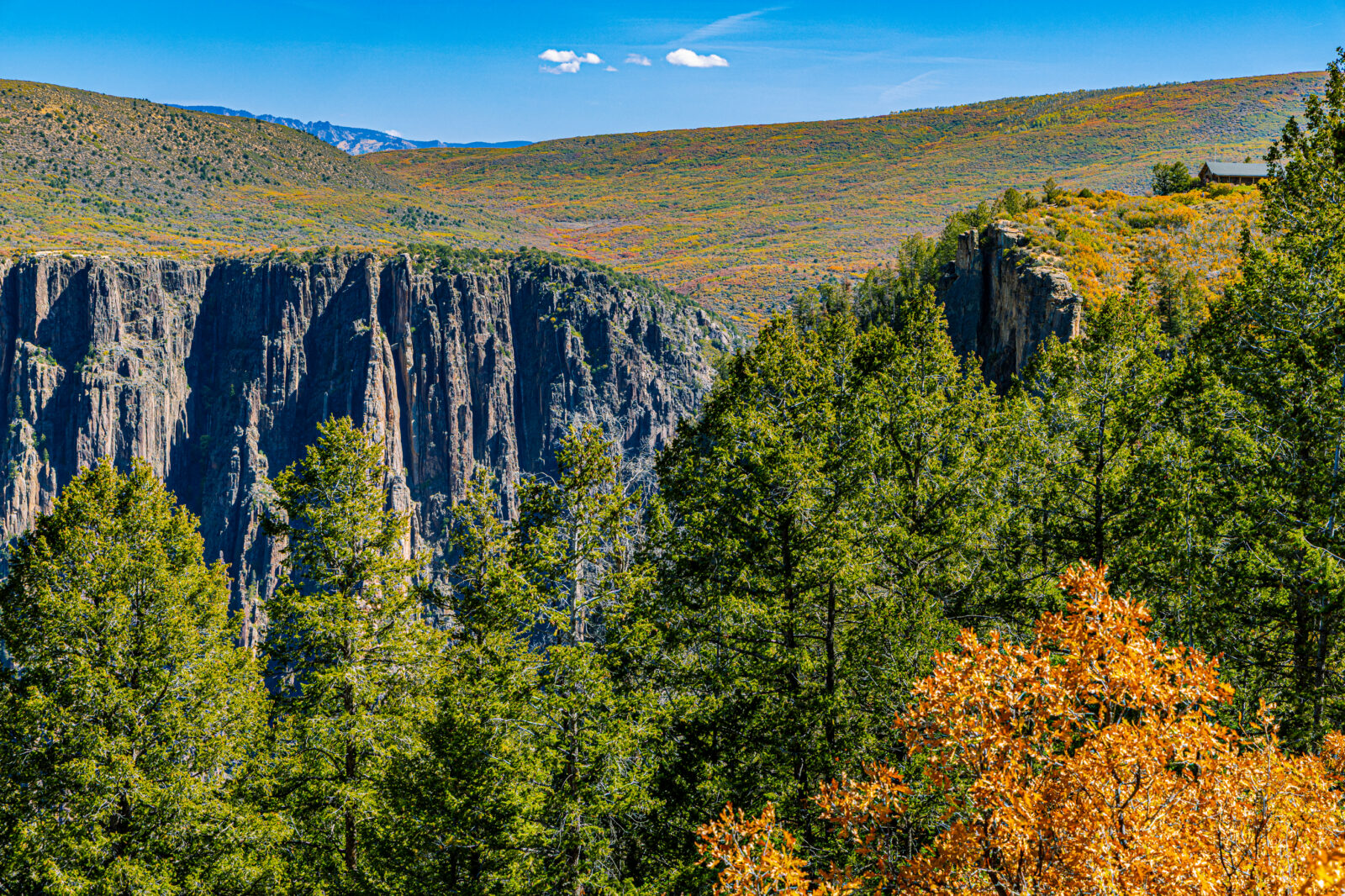
When wildfires struck Black Canyon of the Gunnison National Park, park staff faced an immediate challenge. Beyond managing the fires themselves, they needed basic operational supplies, including something as ordinary as toilet paper.
For Western National Parks (WNP), the requests highlighted a gap in how nonprofit partners can support parks during emergencies. Traditional cooperating association “direct aid” dollars, generated through retail operations, are designated for visitor engagement and education. Those funds cannot simply be redirected to emergency facility needs or disaster relief.
Marie Buck, President and CEO of WNP and her team, saw an opportunity to develop a more flexible approach to supporting parks. Buck, Chief Philanthropy & Program Officer Bret Muter, and the WNP team helped establish the Park Resilience Fund, a grant program designed to respond to immediate needs while helping parks prepare for future challenges. The fund offers a useful example of how park partners can respond to changing circumstances and strengthen their relationships with the National Park Service.
Before developing the fund, Buck and Muter visited their partner park sites to hear directly from staff about the challenges they were facing.
“Bret and I went on a philanthropic tour of about 40 parks over six months. We talked to people on the ground about what parks needed. The number one answer was staff, but there were a lot of different secondary answers about what would help them be more resilient.”
Many of the needs were not being addressed through existing funding programs. Some were urgent. Others involved relatively modest investments that could make a significant difference in park operations, resource protection, or community engagement.
From these conversations, WNP designed the Park Resilience Fund around two types of support:
1. Immediate emergency needs
Rapid-response funding to help parks address unexpected challenges, including natural disasters, wildfires, floods, and urgent operational shortfalls.
2. Long-term resilience and efficiency
Competitive grants to support projects that strengthen sustainability and respond to larger community opportunities.
Growing the Resiliency Fund and Trust with the National Park Service
In its first year, the Park Resilience Fund has generated more than $100,000 in donor contributions. But, raising funds wasn’t the only objective, Western National Parks also wanted to develop trust with the National Park Service and their individual park partners as the fund grew.
Although WNP had the legal ability to establish the fund independently, Buck chose to involve leadership from the NPS Washington Office (WASO) throughout its development. That included inviting WASO leadership to review the grant application process, communications, and candidate projects before final awards were announced.
The additional review took time, but it also created opportunities for discussion and helped build confidence between the partners and ultimately improved the final program.
“We wanted to work with WASO really closely this first go around. We thought, let’s just lay it all out there and then [everyone] can feel comfortable,” said Buck.
In the end, the first year of funding allowed WNP to support about $100,000 worth of projects. Three examples illustrate the range of opportunities:
Improving fire training across southern Arizona
Several parks in southern Arizona pooled grant resources to purchase a digital fire-training module. The investment will give staff across multiple sites access to interactive fire suppression training, making the training process more efficient.
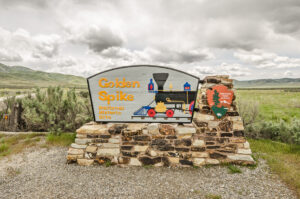
Protecting the night sky at Golden Spike National Historical Park
At Golden Spike National Historical Park in Utah, which commemorates the 1869 completion of the transcontinental railroad, about half of the park’s exterior lights are not night-sky friendly. A contractor will replace fixtures on the maintenance facility, residence house, and engine house with warm, shielded, downward-facing, energy-efficient lights, bringing the park closer to Dark Sky Certification while protecting the historic skyscape, wildlife such as owls and bats, and visitor experiences like Star Parties.
Preserving history at Nicodemus National Historic Site
At Nicodemus National Historic Site in Kansas, which preserves the history of a predominantly African American settlement, the historic baseball field used for Negro Baseball League reenactments had fallen into disrepair in part due to recent storm damage. With the site’s 150th commemoration approaching, a $12,000 grant will help restore the field in time for the event.
These early projects show how WNP’s Resiliency Fund helps parks meet immediate needs while investing in their long-term sustainability.
Four Lessons For Friends Groups
As the National Park Service navigates staffing concerns, natural disasters, and changing needs from year-to-year, philanthropic partners are looking for ways to respond while maintaining strong, productive relationships with the agency. While a Park Resilience Fund may not be the right fit for every park partner, WNP’s experience offers valuable lessons that other organizations can apply to their own work, and four ideas worth considering.
1. Ask before making assumptions
Park staff understand their operational challenges, but those needs may not always come up in a typical fundraising conversation. Ask what is getting in the way of their work, what small investments could improve efficiency, and which needs fall outside existing funding sources.
Site visits, regular conversations, and thoughtful follow-up questions can uncover opportunities that might otherwise be overlooked.
2. Make room for flexibility
Parks operate in changing conditions. Natural disasters, unexpected maintenance needs, and emerging resource challenges don’t always fit neatly into an annual fundraising plan. Flexible funding can help partners respond to these situations while maintaining appropriate oversight and accountability.
3. Involve NPS and other aligned partners early
When developing a new program, bring park superintendents, appropriate regional or national NPS leadership, and other aligned park partners into the conversation.
Discuss how decisions will be made, how funding will be administered, and how the program will support shared priorities. Discuss the best rolls for each partner and find areas of friction before the project gets going. These conversations may require additional time, but they can help prevent misunderstandings and strengthen working relationships. This can make sure that everyone involved is working together to open doors that benefit parks together.
4. Remember that smaller investments matter
Large philanthropic gifts play an important role in supporting national parks, but they aren’t the only measure of impact. The value of a grant should be measured by what it makes possible, not simply its dollar amount.
Learning from One Another
WNP’s Park Resilience Fund is one approach to a challenge that many park partners share: how to respond to changing park needs while working within the practical realities of NPS partnerships.
Not every Friends Group will need a formal Resilience Fund, and the right funding structure will look different depending on the organization and the parks it supports.
But the underlying practices are relevant across the partnership community: listen to park staff, design programs around real needs, reduce unnecessary administrative work, and involve NPS partners in decisions that affect them.
How is your organization responding to emerging park needs? We’d love to hear what you’ve tried, what you’ve learned, and how you’re working with your NPS partners. Join the discussion in the Member Community on Circle.